

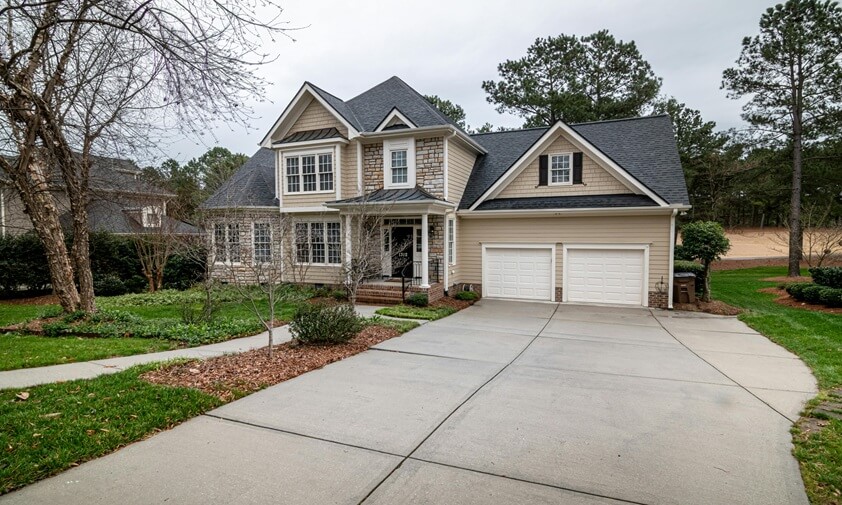
Ignoring a roof leak in Chennai almost always turns a small, affordable repair into a major, expensive problem that affects your structure, health, and wallet.
Why Roof Leaks Are Extra Risky in Chennai
Chennai's hot, humid, coastal climate and intense monsoon rains mean water ingress is faster, harder to dry, and more likely to cause mold and structural decay than in drier cities.
- Chennai receives over 1,200 mm of rainfall annually, with heavy downpours concentrated in a few months, so even a "minor" leak can admit a large volume of water in a single season.
- High humidity slows drying inside roofs and walls, keeping timber, plywood, and insulation damp for longer and accelerating rot and corrosion.
- Coastal air increases corrosion risk for steel reinforcements, metal flashings, and fasteners once water starts penetrating the building envelope.
For a Chennai homeowner, that means a leak you ignore this monsoon can become a structural, health, and insurance nightmare by the next one.
Immediate Damage When You Ignore a Leak
Even in the first weeks or months, a neglected roof leak starts creating visible and hidden damage.
- Ceiling stains and bubbling paint: Water tracks along the slab or false ceiling, leading to yellow/brown patches, peeling paint, blistering putty, and sagging gypsum boards.
- Damaged walls and plaster: Continuous dampness makes plaster soft and crumbly, causes efflorescence (white salt deposits), and can lead to chunks of plaster detaching.
- Shorted lights and fans: Moisture can enter electrical conduits and junction boxes in the ceiling, increasing the risk of short circuits and electrical fires.
- Damage to interiors: Furniture, wardrobes, kitchen cabinets, electronics, and soft furnishings under the leak are at risk of swelling, warping, or permanent staining.
Many contractors report cases where a repair that would have cost a few thousand rupees when the leak started ended up as a multi-lakh interior renovation once ceilings and wardrobes were ruined.
Long-Term Structural Damage
When leaks continue across seasons, the real danger shifts from aesthetics to the structure of your home.
- Rotting roof deck and supports: In sloped roofs, water-soaked wood or boards start to rot and lose load-bearing capacity, increasing the risk of partial collapse.
- Weakening of RCC slabs and beams: Persistent seepage through cracks lets water reach steel reinforcement, leading to corrosion, rust expansion, and concrete spalling.
- Compromised walls: Water traveling down internal or external walls deteriorates bricks/blocks and mortar joints, creating cracks, bulging plaster, and long-term instability.
- Reduced roof lifespan: Professional roofing companies note that continuous leaks can shave years off a roof's expected life by damaging membranes, waterproofing layers, and insulation.
In many documented cases, homeowners who ignored leaks for years faced partial roof replacement or heavy structural repairs instead of a localised waterproofing job.
Typical Cost Escalation (Illustrative)
- Early-stage: crack filling, re-screeding, and waterproof coating on a small area.
- Late-stage: removal of tiles, breaking and redoing large portions of screed, replacing rusted reinforcement/concrete, plus full interior repairs.
Multiple roofing experts emphasise that "pay a little now or pay a lot later" is literally true for leaks.
Health Risks: Mold, Mildew, and Air Quality
Chennai's humidity makes mold from roof leaks spread fast and deep.
- Mold can start growing within days in damp, dark cavities like false ceilings, lofts, and behind wardrobes.
- Mold spores aggravate asthma, sinusitis, and allergies and can cause chronic coughing, wheezing, and eye/throat irritation, especially in children and seniors.
- Wet insulation and boards become breeding grounds for bacteria and fungi, degrading indoor air quality across the entire flat, not just near the visible damp patch.
Professional roofing and remediation companies highlight mold removal as one of the costliest consequences of delayed leak repair, sometimes rivaling the cost of the roofing work itself.
Hidden Financial Impact: Bills, Insurance, and Property Value
A "small" leak silently increases your monthly and long-term costs.
- Higher electricity bills: Soaked insulation loses effectiveness, forcing your AC to run longer to maintain comfort, especially in peak Chennai summers.
- HVAC strain and repairs: Constant overworking of AC units can shorten their life and lead to frequent service calls.
- Insurance complications: Many insurers classify long-ignored leaks as "preventable" and can deny or reduce claims where the owner failed to act on a known issue.
- Lower resale value: Real-estate buyers and bankers view damp patches, mold, and water marks as red flags suggesting hidden structural issues and future expenses, often pushing down offers significantly.
Roofing companies report homes losing "thousands" in market value in other markets for unaddressed roof leaks; similar discounting behaviour is seen in Indian metros when severe seepage is visible during site visits.
Why Chennai Homeowners Delay—and Why They Shouldn't
Common reasons people in Chennai delay roof leak repairs:
- Assuming it's "only" a monsoon issue that will dry up in summer.
- Fear of high costs or messy work on terraces used for utilities or gardening.
- Temporary fixes like putting buckets or tarps rather than addressing the source.
However, experts stress that water never stays in one place—once inside, it travels through the easiest path, which may be far from the visible damp patch. That means the real damage is often developing where you can't see it.
Commercial and Apartment Buildings: Added Risks
For commercial blocks, apartments, and villas with shared terraces, ignoring a roof leak has wider consequences.
- Downtime and business losses if offices or shops need to shut for emergency repairs or mold remediation.
- Disputes in apartment associations when one flat's ceiling leak originates from another flat's terrace or common area.
- Liability exposure if leaks lead to falling plaster, electrical incidents, or damage to tenants' equipment.
- Accelerated ageing of commercial roofs, forcing premature large-scale replacement instead of planned maintenance cycles.
Facility management experts consistently advise against postponing roof leak work to "next budget year" because repair costs and risk almost always grow in the meantime.
What to Do Now
If you see any of these signs—damp patches on ceiling/walls, peeling paint near the slab, musty smell, or dripping during rains—you should act immediately.
1. Document the Problem
- Take clear photos and short videos of damp areas, stains, and drips, especially during or just after rain.
- Note when leaks appear (heavy rain, light rain, specific wind direction); this helps diagnose the source.
2. Get a Professional Inspection
- Contact a local roofing/waterproofing contractor experienced with Chennai's concrete terraces, water tanks, and solar/utility installations.
- Ask for a detailed roof and terrace inspection, including parapet walls, joints around pipes, rainwater outlets, and tiles.
3. Fix the Root Cause—Not Just the Symptom
- Avoid simply repainting damp ceilings; that only hides the problem temporarily.
- Opt for a solution that addresses the source: crack treatment, proper slope creation, new waterproofing membrane or coating, and outlet redesign where needed.
4. Plan Preventive Maintenance
- Schedule terrace cleaning and drain checks before monsoon each year.
- Consider a periodic roof health check every 1–2 years by a professional roofing or waterproofing specialist.